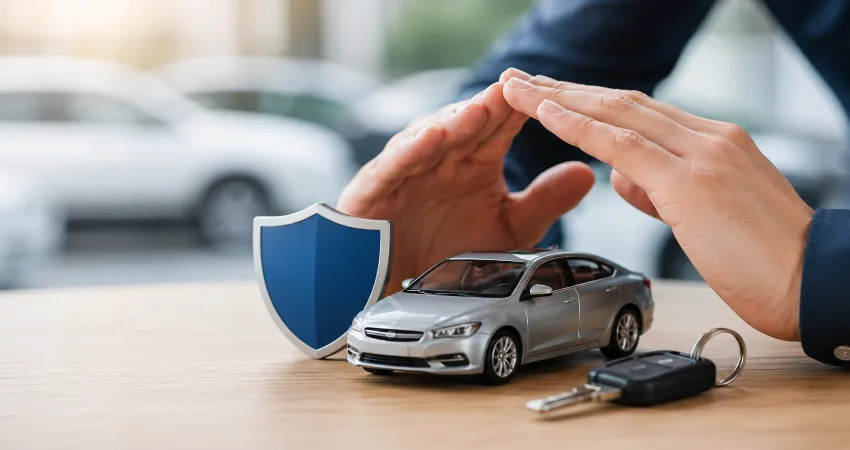
Being between vehicles creates an unusual insurance situation. You may have sold your previous car, returned a lease, or lost access to a vehicle, but that does not necessarily mean you have stopped driving. You might occasionally borrow a family member’s car, rent a vehicle for a weekend, or use a car-sharing service while deciding what to buy next. In situations like these, non-owner car insurance can provide an important layer of financial protection.
Unlike a traditional auto policy, non-owner car insurance is designed primarily around the driver rather than a specific vehicle. Its core purpose is usually liability protection when you drive a vehicle you do not own. Current insurer guidance also shows that these policies can be useful for maintaining continuous insurance history, although exact coverage, eligibility, and optional protections vary by insurer and state.
The most important point for someone temporarily without a vehicle is that non-owner insurance should not be treated simply as a cheaper version of regular car insurance. It solves a different problem. Understanding exactly what it covers, what it leaves uncovered, and how your driving habits affect the decision can help you avoid an expensive insurance gap.
What Is Non-Owner Car Insurance?
Non-owner car insurance is an auto insurance policy intended for someone who drives but does not own a vehicle. The foundation of the policy is generally bodily injury and property damage liability coverage. If you cause an accident while driving an eligible borrowed or rented vehicle, liability insurance can help pay covered expenses resulting from injuries or property damage suffered by other people, subject to policy limits and terms.
The policy normally follows the named insured rather than being written around one personally owned vehicle. However, it should never be assumed that every vehicle you can access is automatically covered. Household vehicles, vehicles you use regularly, employer-owned vehicles, and certain commercial situations can be subject to different rules or exclusions.
Why Being Between Vehicles Creates an Insurance Gap?
Suppose you sell your car on Monday and expect to purchase another one two months later. Canceling your standard auto policy may seem logical because there is no longer a vehicle to insure. The problem is that your driving exposure may continue. You could still rent a car, borrow your brother’s vehicle, or drive a friend’s car with permission.
A second consideration is insurance continuity. GEICO specifically identifies maintaining continuous insurance coverage as one potential benefit of non-owner insurance. A continuous coverage history may be useful when you eventually purchase another vehicle and apply for a standard policy.
This leads to a useful way of thinking about non-owner coverage: it can serve as a bridge between two periods of vehicle ownership rather than merely as insurance for people who never plan to own a car.
What Does Non-Owner Car Insurance Usually Cover?
The most common protection is liability insurance. Bodily injury liability can help cover qualifying costs when you are legally responsible for injuring another person. Property damage liability can help cover damage you cause to another person’s vehicle or other property.
Depending on the insurer and state, additional protection may be available. Progressive notes that non-owner policies may offer options such as medical payments coverage, personal injury protection, uninsured motorist coverage, or underinsured motorist coverage. These features are not universal, so consumers should verify them rather than assuming they are included.
What Non-Owner Insurance Usually Does Not Cover?
The biggest misunderstanding involves physical damage to the vehicle you are driving. A typical non-owner liability policy does not provide comprehensive and collision coverage for a borrowed or rented vehicle. If you cause an accident in a rental car, for example, your liability policy may address covered damage you caused to other people while leaving damage to the rental vehicle itself outside the policy.
The same distinction matters with theft, vandalism, weather damage, and other physical losses. Rental companies may offer separate damage protection, and some credit cards provide certain rental-car benefits. Those protections have their own limitations and should be checked independently.
How Insurance Works When You Borrow Someone Else’s Car?
Insurance on borrowed vehicles can be more complicated than the phrase “my insurance covers me” suggests. Auto insurance generally follows the insured vehicle in many permissive-use situations. That means the vehicle owner’s insurance may respond first when someone who has permission to drive the vehicle causes an accident. A driver’s separate insurance may potentially provide additional protection depending on the contracts and circumstances.
This is particularly important for people between vehicles. Before borrowing a car regularly, ask the owner to verify whether you are an eligible driver. If you live in the same household or drive the vehicle frequently, the insurer may require you to be listed on the owner’s policy instead of relying on occasional permissive-use rules. Progressive specifically advises that someone regularly borrowing a household member’s vehicle may need to be added to that vehicle’s policy.
Non-Owner Insurance for Rental Cars
Frequent renters are another group that may benefit from non-owner coverage. Instead of purchasing liability protection separately during every rental transaction, an annual or six-month non-owner policy may provide a more consistent solution for eligible rentals. Progressive notes that non-owner coverage can be useful for frequent renters, while physical damage to the rental vehicle generally remains a separate issue.
Before declining any protection at the rental counter, confirm exactly what your non-owner policy covers. Also check any rental protection provided by the credit card used for the reservation. Liability coverage and protection for damage to the rental vehicle are different concerns.
Why Liability Limits Matter More Than the Minimum?
It can be tempting to buy only the minimum amount of liability coverage legally required in your state. Minimum limits may satisfy a legal requirement, but they do not necessarily provide enough financial protection after a serious accident.
Consider the assets and income you are trying to protect, how frequently you drive, and the cost of increasing your limits. Request quotes using several liability-limit combinations rather than comparing insurers solely on their lowest advertised premium. A low premium is less meaningful if the policy does not provide an appropriate level of protection.
Who Should Consider Non-Owner Coverage While Between Cars?
This type of policy deserves consideration if you have sold or returned your vehicle but still expect to drive with some regularity. It may also make sense if you frequently rent cars, use car-sharing services, or borrow vehicles belonging to friends who do not live with you. Another potential reason is maintaining an active insurance history during a temporary period without a personally owned car.
On the other hand, someone who does not expect to drive at all may receive limited practical value from the policy. The decision should follow your actual driving exposure rather than the simple fact that you currently do not own a car.
When a Non-Owner Policy May Be the Wrong Choice?
A non-owner policy is generally not a substitute for properly insuring a vehicle you effectively have regular access to. If you live with someone whose car you drive frequently, ask the insurer whether you should be listed on that car’s policy. Similarly, once you purchase another vehicle, you generally need to replace or convert the non-owner arrangement with insurance appropriate for the vehicle you own.
Business driving also requires special attention. Personal insurance contracts can contain restrictions or exclusions involving certain commercial uses. If most of your driving involves work duties, deliveries, transporting customers, or employer-provided vehicles, discuss the exact activity with an insurance professional rather than assuming a personal non-owner policy applies.
SR-22 or FR-44 Requirements and Non-Owner Policies
Some drivers need proof of financial responsibility even though they currently do not own a vehicle. Depending on the state and circumstances, an insurer may be able to provide the required filing with an appropriate non-owner policy. GEICO, for example, notes that some non-owner policies can accommodate an SR-22 requirement.
State-specific rules are crucial. Florida guidance, for example, states that when someone subject to specified financial-responsibility requirements owns and registers a vehicle in Florida, a non-owner policy does not replace the required coverage on that vehicle. Therefore, drivers with SR-22, FR-44, license-reinstatement, or similar requirements should confirm their obligations directly with their insurer and state motor vehicle authority.
How to Choose a Non-Owner Policy?
Start by estimating how you will drive during the period when you are without a car. Tell the insurer whether you plan to rent vehicles, borrow cars, use car-sharing services, or drive a household vehicle. Ask for the liability limits in writing and determine whether uninsured motorist, underinsured motorist, MedPay, or other protections are available.
Also ask specifically about exclusions. Find out whether household cars, regularly available vehicles, business driving, or particular rental arrangements are restricted. Finally, ask how the insurer will transition your coverage when you purchase your next vehicle. Treating the policy as part of a longer insurance plan is more useful than shopping purely for the lowest monthly payment.
FAQs About Non-Owner Car Insurance
1. Can I get car insurance when I do not currently own a car?
Yes. Non-owner insurance is specifically designed for eligible drivers who do not own a vehicle but still need liability protection while driving vehicles they do not own. Availability and policy features depend on the insurer and state.
2. Is non-owner insurance useful if I sold my car temporarily?
It can be. If you still rent or borrow vehicles while shopping for your next car, non-owner coverage can provide liability protection and may help you maintain continuous insurance history during the gap.
3. Will non-owner insurance repair a borrowed car I damage?
Usually not. Traditional non-owner coverage generally focuses on liability for injuries and property damage you cause to others. Damage to the vehicle you are driving normally depends on other insurance or separate physical-damage protection.
4. Does non-owner car insurance cover rental cars?
It may provide liability coverage for eligible rental-car use. However, it generally should not be assumed to cover physical damage to the rental vehicle. Confirm both issues before renting.
5. Can I use a non-owner policy to drive my spouse’s car every day?
That may not be appropriate. Regular household drivers often need to be disclosed or listed on the vehicle owner’s policy. Ask the insurer that covers the vehicle how it treats licensed household members and regular drivers.
6. Is non-owner insurance cheaper than ordinary auto insurance?
It is commonly less expensive because the policy generally does not insure a personally owned vehicle against collision and comprehensive losses. Your actual premium still depends on factors such as location, driving history, limits, and insurer underwriting.
7. Should I cancel insurance immediately after selling my car?
Do not base the decision only on vehicle ownership. Consider whether you will continue driving borrowed or rented vehicles and whether maintaining continuous coverage matters to your future insurance plans. A non-owner policy may provide a bridge.
8. Can a non-owner policy include uninsured motorist protection?
Some policies can. Availability and requirements vary by insurer and jurisdiction. Ask for a complete coverage summary rather than assuming that uninsured or underinsured motorist protection is automatically included.
9. What happens when I buy another car?
Contact your insurer before or immediately when acquiring the vehicle and arrange appropriate owner coverage. A non-owner policy is not intended to serve as the normal insurance policy for a vehicle you own.
10. What should I ask before buying non-owner insurance?
Ask what vehicles qualify, whether coverage is primary or secondary in common borrowing situations, which liability limits are offered, what optional protections are available, which exclusions apply, and how the policy will change once you buy another vehicle. Those details are more important than price alone.
Conclusion
Non-owner car insurance can be a practical bridge for people between vehicles who continue to drive. Its strongest role is usually liability protection, not protecting the borrowed or rented vehicle itself. Before purchasing a policy, evaluate how often you will drive, whose vehicles you will use, your liability limits, optional protections, household-driver rules, and any state-specific requirements.
The right policy should match how you actually drive during the transition and make moving to insurance for your next vehicle straightforward.